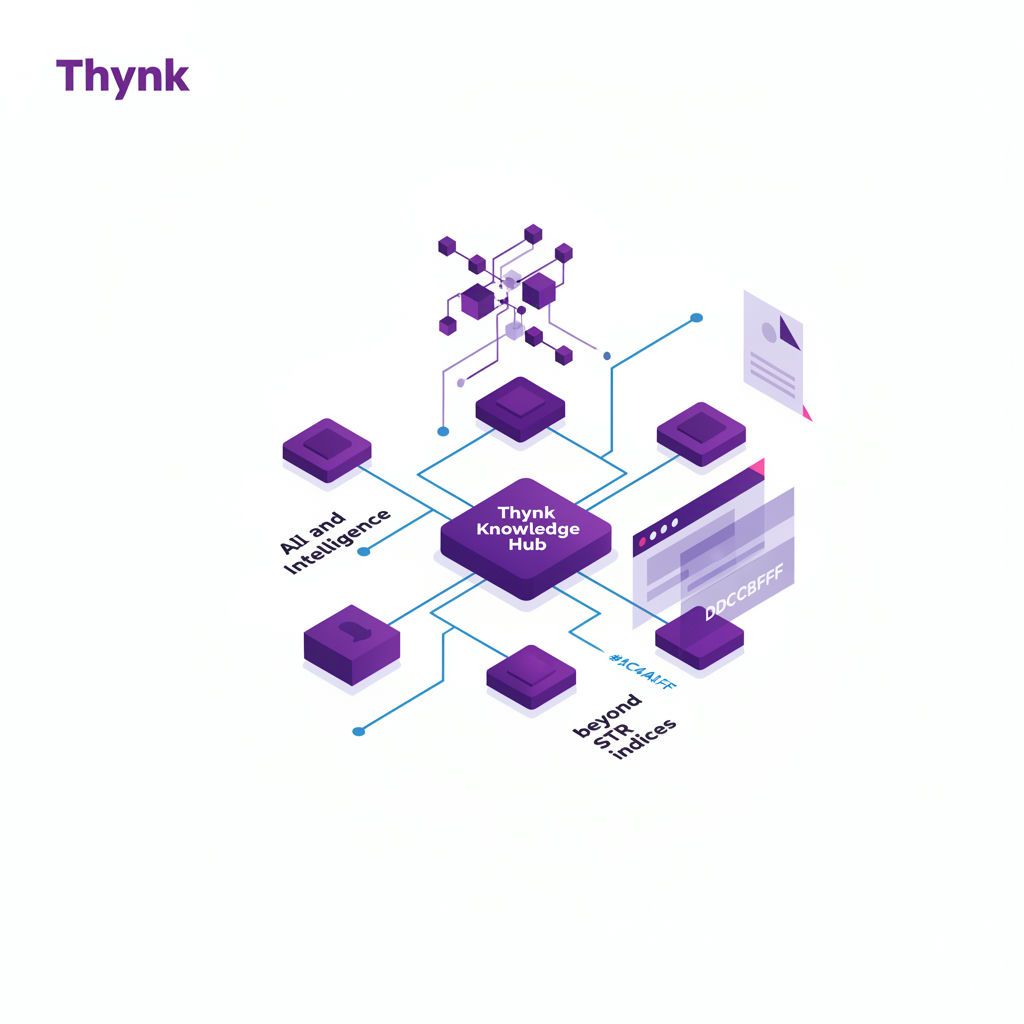
AI and Business Intelligence for Hotel Revenue Optimization: Beyond STR Indices
Revenue analytics powered by AI and business intelligence enables hotel groups to optimize profitability by consolidating PMS, CRS, and sales data into a unified platform that surfaces net contribution by segment, channel, and account. Rather than chasing topline metrics or STR indices alone, commercial teams use predictive models and real-time dashboards to prioritize high-margin demand—corporate groups, direct bookings, profitable MICE accounts—while managing distribution costs and ancillary revenue across the entire guest lifecycle.
The Cost of Fragmented Data and Emotion-Driven Decisions
Independent hotels, extended-stay operators, and regional chains often rely on incomplete datasets, vendor-biased reporting, or revenue management systems that forecast demand without profitability context. When commercial teams base pricing decisions on partial data or intuition—"I feel we should cut rates to drive occupancy"—they risk chasing volume at the expense of margin.
Robust revenue analytics asks: What is the cost of acquisition by channel? Which demand types yield the highest net contribution? How do OTA commissions, GDS fees, and marketing spend affect profitability per booking? A Salesforce-native hospitality CRM surfaces these answers by integrating PMS data (Opera, Mews, Stayntouch, Protel), sales and catering pipelines, and channel performance into unified dashboards.
Revenue managers gain dynamic, interactive visuals that connect top-line KPIs—RevPAR, occupancy, ADR—to bottom-line profitability. This enables instant insights and data-driven prioritization across properties, segments, and distribution channels. The clean data pillar of Thynk's approach eliminates the manual reconciliation and spreadsheet gymnastics that slow commercial decision-making.
Data Science for Demand Forecasting and Profitability Optimization
Predictive analytics and machine learning models inform pricing, inventory allocation, and distribution strategy by forecasting demand patterns at the day-of-week, segment, and property level. Data science approaches within revenue analytics identify high-value demand—corporate groups, multi-property MICE bookings, direct-booking leisure travelers—and flag low-margin business such as high-commission OTA volume or discounted group blocks before they erode net revenue.
Automated RMS platforms excel at short-term rate optimization but typically lack visibility into acquisition costs, ancillary revenue (F&B, meeting space, room upgrades), or long-term demand trends. A holistic BI platform—integrated with group CRS, B2B CRM, and finance systems—surfaces the full profit picture, enabling commercial teams to set RMS parameters that align with enterprise profitability goals rather than topline growth alone.
This is the foundation of the Analytics capability within Thynk's platform: connecting revenue, sales, operations, and finance data to deliver real-time profit intelligence. The sales automation pillar ensures that insights translate directly into action—flagging opportunities, adjusting rate recommendations, and alerting teams when strategic thresholds are crossed.
Commercial Decision Support for Meeting and Event Space
Sales and catering teams managing group business and MICE demand benefit from commercial decision support that models event-space profitability, booking probability, and minimum spend requirements. Revenue analytics for events informs sales strategy—which opportunities to pursue, what rate hurdles to set, which function spaces to release—and marketing prioritization, ensuring that meeting-room inventory and banquet capacity contribute to overall property profitability rather than simply filling calendar slots.
A Salesforce-native platform with integrated e-BEO management, room-block management, and pickup reporting connects group sales pipelines to finance and operations. This enables real-time ROI analysis by account, segment, and source. Sales teams see not just topline group revenue but net contribution after distribution costs, service delivery, and opportunity cost of displaced transient demand.
This unified view—spanning the Sales/CRM and Group/MICE capabilities—accelerates deal velocity, improves forecast accuracy, and maximizes margin from high-value accounts. The Salesforce performance pillar ensures that dashboard response times, report generation, and pipeline queries remain instantaneous even as data volumes scale across multi-property portfolios.
Beyond STR Indices: Optimizing Mix and Rate for Profit
STR indices (RevPAR index, occupancy index, ADR index) measure competitive positioning but do not guarantee profitability. A strategy that grows occupancy through discounted OTA volume or low-rated group blocks may improve STR performance while compressing margins. Conversely, a strategy that optimizes business mix and pricing—prioritizing corporate and group accounts with favorable rate structure and ancillary spend—can deliver higher profit contribution even if occupancy declines slightly.
Hospitality operators using Salesforce-native CRM and BI platforms benchmark profitability, not just topline metrics, across properties, segments, and channels. Revenue analytics surfaces the KPIs that drive sustainable financial performance: net revenue per booking, contribution margin by segment, ROI by distribution channel, and profit flow-through from RevPAR growth.
This approach integrates seamlessly with the Operations/Finance capability, connecting commercial decisions to general ledger impact and cash-flow planning. For global hotel groups managing diverse portfolios—urban full-service properties, resort destinations, extended-stay assets—this profit-first lens prevents the erosion of margin that often accompanies aggressive occupancy targets.
AI Agents and Automated Revenue Intelligence
The AI/Agents capability within Thynk's platform extends revenue analytics from descriptive dashboards to autonomous decision support. AI agents monitor rate parity across channels, flag high-value opportunities in the sales pipeline, recommend inventory allocation based on profitability forecasts, and automate routine reporting—freeing revenue managers to focus on strategic pricing and segment mix.
Built on the Einstein Trust Layer, these agents operate within governance guardrails, ensuring compliance, data security, and auditability while accelerating commercial velocity. An AI agent can automatically adjust group rate recommendations based on transient demand forecasts, displaced-room revenue, and ancillary spend patterns, then notify the sales team via Slack or email when a high-value account should receive priority allocation.
This level of automation transforms revenue management from reactive rate-setting to proactive profit optimization. It aligns commercial strategy with enterprise goals in real time, embodying the sales automation pillar by converting insight into action without manual intervention. For revenue directors managing multiple properties or regional portfolios, this means fewer fire drills and more strategic focus on market positioning and channel mix.
Key Takeaways
- Integrated revenue analytics platforms consolidate PMS, sales, and external data into a single source of truth, enabling commercial teams to optimize for profitability, not just topline growth.
- Data science and predictive analytics forecast demand by segment and surface high-value business before capacity is consumed by low-margin bookings.
- Automated RMS systems require profitability context from CRM, finance, and distribution data to align rate recommendations with enterprise goals.
- Commercial decision support for event space enables sales teams to set realistic targets, booking hurdles, and promotional strategies that maximize contribution margin.
- STR indices are one indicator among many; strategies that prioritize business mix and rate optimization often deliver higher profitability than pure occupancy growth.
- AI agents automate routine revenue tasks, surface high-value opportunities, and accelerate decision-making within governance frameworks.
As occupancy normalizes across hospitality markets, revenue optimization shifts from volume capture to margin expansion. Salesforce-native platforms deliver the clean data, AI-driven insights, and unified commercial workflows that transform rate and mix decisions into sustainable profit growth. Learn more about Thynk's approach to hospitality business management or explore how to choose a hospitality CRM that supports scalable revenue intelligence.